

Extreme heat, fragile systems: the growing threat to CVRM care
13 August 2026
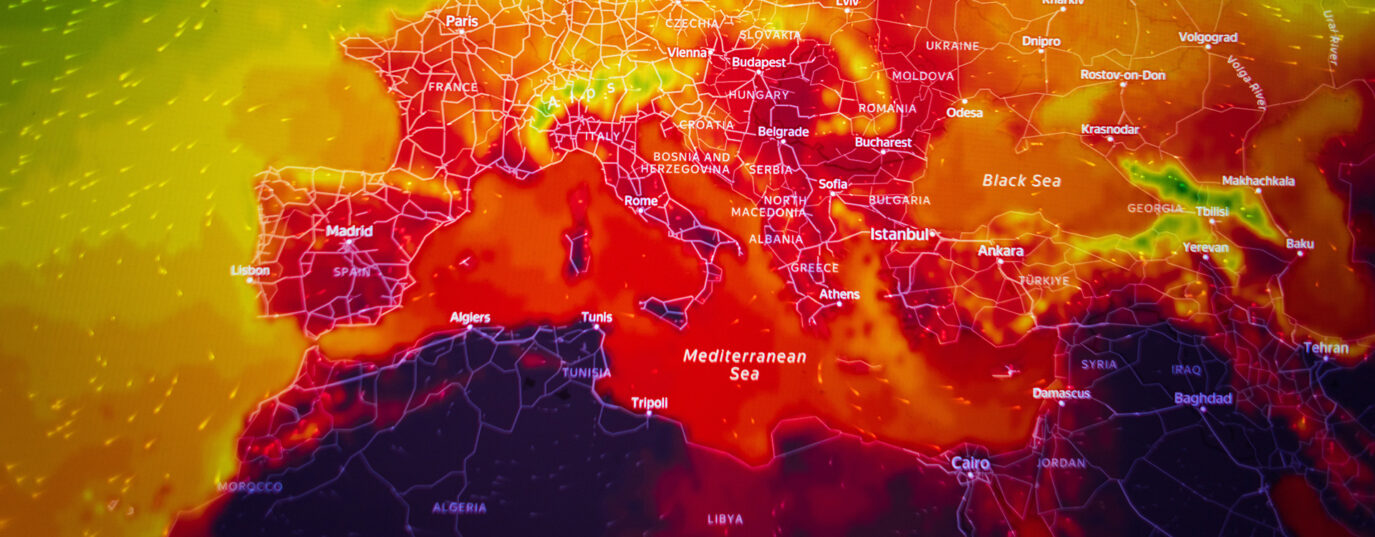
High temperatures act as a threat multiplier, exacerbating health inequalities. So how can we mitigate the toll of heatwaves on people living with chronic conditions?
Heatwaves are no longer an occasional warning sign of climate change – they are proof we are living in the thick of it. Extreme heat is becoming a mainstay of our summers and is already costing lives. Globally, there are over 480,000 heat-related deaths each year. And in 2022, more than 60,000 people in Europe alone died as a result of extreme heatwaves.
Here in England, the government forecasts a bleak 2026 milestone: the highest annual heat-related mortality since records began. Behind each of those deaths is a person, a family and often a pre-existing health condition that lowered their chances of survival.
Heatwaves are becoming increasingly common. In parallel, ageing populations and better survival from chronic conditions mean more people are living with high vulnerability to heat. Heat-related mortality among people over 65 has risen over 80% since 2000. This issue can no longer be ignored.
What is heat stress, and why is it so dangerous?
Climate change is affecting everything on our planet. But it is a particular threat to people living with cardiovascular, renal and metabolic (CVRM) conditions. Ill health and death caused by extreme heat are exposing the fragility of our current care delivery models. The question is no longer whether health systems should adapt, but whether they can do so quickly enough.


The question is no longer whether health systems should adapt, but whether they can do so quickly enough.
Exposure to high temperatures activates our body’s regulation systems, including vasodilation (the expansion of small blood vessels near the skin’s surface) and sweating, to help us cool down. In prolonged heat, increased heart rate and cardiac output are required to support vasodilation; this places a strain on the body, particularly the cardiovascular system.
Heat can also cause inflammation and dehydration, a major contributor to electrolyte imbalances (including magnesium, sodium, potassium). For many people, this causes more than just discomfort; it can lead to emergency hospital admissions and, in the worst cases, multi-system organ failure and death.
People with CVRM conditions are at increased risk, especially those living with:
- cardiovascular disease: each 1°C rise increases mortality by over 2%. During extreme heat, the risk of death for people living with cardiovascular disease can increase by nearly 20%.
- obesity: obesity affects core body temperature regulation. Even small changes to core temperature, caused by heat exposure, can affect metabolic functions.
- kidney disease: heat can reduce glomerular filtration rate and renal blood supply, elevating the risk of injury, kidney failure, and the development – or worsening – of chronic kidney disease. Extreme heat can increase hospital admissions for people living with advanced kidney disease.
- diabetes: high temperatures can also contribute to dehydration and insulin resistance, elevating the risk of diabetes-related hospitalisation and mortality.
More people than ever are now living with multiple CVRM conditions. For example, a person managing heart failure and chronic kidney disease simultaneously can face overlapping heat-related risks, making them especially vulnerable during a heatwave.
Yet this risk is not equally shared: older adults, women and people living in tropical climates or low-income countries are often more vulnerable to extreme heat. Additional factors such as building infrastructure, outdoor working and homelessness also increase risk.
Impact on care delivery and health system sustainability
Heatwaves can also decrease capacity to deliver care. Hospital inpatients are often most vulnerable to heat due to acute illness; however, healthcare infrastructure is starting to lag behind our evolving climate. In the UK, more than 90% of NHS buildings are vulnerable to overheating, with incidents nearly doubling from 2016 to 2021. Some hospital wards are now more than 8°C warmer than the temperature outdoors during the summer, with patients subjected to conditions over 30°C. And in France and Spain, appeals are mounting among national societies for improved hospital cooling systems following extreme heat this summer.

Some hospital wards are now more than 8°C warmer than the temperature outdoors during the summer, with patients subjected to conditions over 30°C.
Rising temperatures don’t just impact hospital-based care. They also pose a risk to innovative community models. For example, Hospital at Home services are alleviating strained hospital capacity and improving cost efficiency by providing home-based care linked digitally to hospital teams through ‘virtual wards’. These services – which are used for conditions such as heart failure – support earlier discharge and in some cases help avoid hospital admission in the first place. But as temperatures rise, many homes become risky environments for the very people these programmes are designed to protect, especially those with poor heat efficiency or without air conditioning systems – factors generally dependent on socioeconomic status.
Heat can also affect the medicines that people depend on. Therapies used in at-home care can be exposed to ambient temperatures for over 12 hours. For example, intravenous antibiotics are commonly administered through wearable devices, many of which are only tested up to 32°C. Due to climate change, temperatures may exceed this threshold. There is a growing need for therapeutic innovation to develop heat-stable delivery formats and temperature- and humidity-controlled medicine storage and transport infrastructures. Exciting developments are already taking place, such as insulated flask systems for outpatient medicines.
Our warming planet may also require changes to prescription regimes, as heat can impact drug absorption and optimal usage. For example, loop diuretics, which are commonly used for heart failure, can increase the risk of dehydration and electrolyte imbalance. So do angiotensin-converting enzyme (ACE) inhibitors, which support people living with hypertension. Experts are calling for a re-evaluation of clinical care and prescription guidelines for periods of extreme heat, to protect patients and ensure the continued efficacy and safety of treatment regimes.
The path ahead: what needs to change?
Heat warnings are not enough. We need to develop robust approaches if we are to survive in our evolving climate. Climate change is increasingly recognised as a ‘syndemic’ due to its widespread impact on human health and interaction with coexisting epidemics of chronic disease. To save lives, we need innovative healthcare redesign and, critically, a systems approach to policy change that champions joined-up, cross-sectoral collaboration.
We cannot treat rising temperatures as a seasonal inconvenience. Heat stress has become a major threat to population health and system resiliance, and a growing roadblock to addressing the toll of CVRM conditions. If adaptations are not integrated into health policy and care delivery, patients will increasingly pay the price. As climate change accelerates and summers get hotter, protecting the most vulnerable among us must become part of the health response – not only after the next record-breaking heatwave, but now.