Strengthening data collection and insights for metastatic breast cancer
There are insufficient data about people living with metastatic breast cancer, which means their needs are overlooked and inadequately addressed.
Many people living with metastatic breast cancer (MBC) remain invisible in health systems due to gaps in data collection, infrastructure and policy prioritisation.
Although advances in treatment mean more people are living longer than ever before with MBC, many countries still lack reliable information on how many people are affected and their outcomes, experiences and support needs. As a result, policymakers, healthcare professionals and researchers often lack the evidence they need to understand the true scale and impact of the disease, plan services effectively and improve care.
High-quality data are critical to shaping effective policies, directing resources to where they are most needed, evaluating services and reducing inequities in care. Data can also improve decision-making, strengthen research, expand access to treatment and help ensure that people living with MBC are recognised within health systems and receive the support they need.
Encouragingly, examples from Aotearoa New Zealand, Australia, France and the UK demonstrate that MBC data can be collected and used more effectively. These efforts align with broader international calls to improve the visibility of metastatic disease, including recommendations from the World Health Organization Global Breast Cancer Initiative, the European Breast Cancer Council 2024 Manifesto, The Lancet Breast Cancer Commission and the Advanced Breast Cancer Global Alliance.
To build on this momentum and help ensure that everyone living with MBC is counted and cared for, this project identifies practical opportunities to strengthen MBC data completeness and quality, focusing on four priority areas:
- enhancing policy commitments and collaboration
- strengthening cancer registry development and coverage
- improving data linkage and increasing the capture of patient-reported data
- expanding the use of digital technology.
Together, these actions can help create a more complete picture of MBC, enabling health systems to deliver more equitable, evidence-based and person-centred care.
Project resources
Dr Andrea Smith, University of Sydney, Australia
What we’ve achieved
Building on work undertaken in 2024–25 on reducing inequalities in MBC care, HPP reconvened an expert group and expanded its membership to include additional perspectives. The group brought together people living with MBC, clinicians, patient advocates and academic experts to examine the current challenges in MBC data collection and identify opportunities to address gaps and disparities.
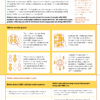
Through comprehensive desk research, expert interviews and guidance from the advisory group, HPP developed an infographic, policy brief and call-to-action video on the importance of improving the completeness and quality of MBC data.
It is our hope that this project and its recommendations will support policymakers, health system leaders, cancer registry teams and other decision-makers to strengthen MBC data collection, improve data quality and completeness, and ultimately enable more informed policy, research and care for people living with MBC.
Key partners and stakeholders
This project was developed with the support of the following partners and stakeholders:
- Dr Fatima Cardoso, President, Advanced Breast Cancer Global Alliance; Head of Clinical Trials, Scientific Affairs and International Development in Breast Oncology, Centre Antoine Lacassagne, France
- Professor Charlotte Coles, Chair of The Lancet Breast Cancer Commission; Deputy Head of Department of Oncology and Professor of Breast Clinical Oncology, University of Cambridge, UK
- Dr Christine Delon, Data Scientist, National Audit of Metastatic Breast Cancer (NAoMe), National Cancer Audit Collaborating Centre (NATCAN), UK
- Vicki Durston, Director, Policy, Advocacy & Support Services, Breast Cancer Network Australia; Advanced Breast Cancer Global Alliance – President General Assembly
- Professor Helena Earl, Professor Emeritus of Clinical Cancer Medicine, Department of Oncology, University of Cambridge, UK
- Colleen Foran, patient representative, Canada
- Adèle Gautier, Lead, Programmes, Advanced Breast Cancer Global Alliance, Portugal
- Dr Karen Gelmon, Professor of Medicine, University of British Columbia and BC Cancer Agency, Canada
- Jenny Gilchrist, Nurse Practitioner – Breast Oncology, Macquarie University, Australia
- Karen Graham, Head of Data Improvement, National Disease Registration Service, UK
- Dr Georgina Hanbury, Clinical Research Fellow for the National Audit of Metastatic Breast Cancer (NAoMe), National Cancer Audit Collaborating Centre (NATCAN), Royal College of Surgeons of England, UK
- Dr Thomas Hofmarcher, Research Director, The Swedish Institute for Health Economics
- Emma Lavelle, Policy Manager, Breast Cancer Now, UK
- Associate Professor Sarah (Sally) Lord, Principal Research Fellow, The Daffodil Centre, Faculty of Medicine and Health, University of Sydney, Australia
- Professor Frédérique Penault-Llorca, Professor of Pathology, University of Clermont Auvergne and Director General of Centre Jean Perrin, France
- Dr Andrea Smith OAM, patient representative and Senior Research Fellow, University of Sydney, Australia
- Kat Southwell, patient representative and Trustee – Data and Clinical Trials, METUPUK
- Dr Dario Trapani, Medical oncologist, European Institute of Oncology, IRCCS, Italy
- Rachel White, Health Data Manager, Macmillan Cancer Support, UK
- Barbara Wilson, Founder & CEO, Working With Cancer, UK
Project funding
The project was initiated and funded by Gilead Sciences Europe. Funding was provided to The Health Policy Partnership (HPP) for project preparation and management, research, drafting and coordination. This work was guided by a multidisciplinary expert advisory group and interviews with expert stakeholders. Expert advisory group members were not compensated for their time financially or through any other transfer of value. HPP worked to deliver project outputs that represent a consensus position from the expert advisory group but retained editorial control. All outputs are non-promotional and not specific or biased to any particular treatment or therapy.